Dulux Group
Dulux Group Safety SOPs
Standard operating procedure series, starting with platform ladders in Bunnings
Site inductions, safety films and procedure videos, filmed on your own sites with your own equipment and delivered ready for your LMS.
Trusted by leading Australian businesses























Written procedures and slide decks ask people to imagine the task. A video shows it, on your site, with your equipment, done the right way by someone who does it every day. Everyone gets the same instruction whether they start on Monday in Melbourne or on night shift in Brisbane.
We work with your safety, training or compliance lead to script each topic, then film it in short modules of two to six minutes so one can be updated without redoing the rest. Dulux Group replaced written procedures with a series of these, and Calvary's Warm Up For Work series is used by its home care staff.
Most clients start with an induction or one high-risk task, then build a library from there.
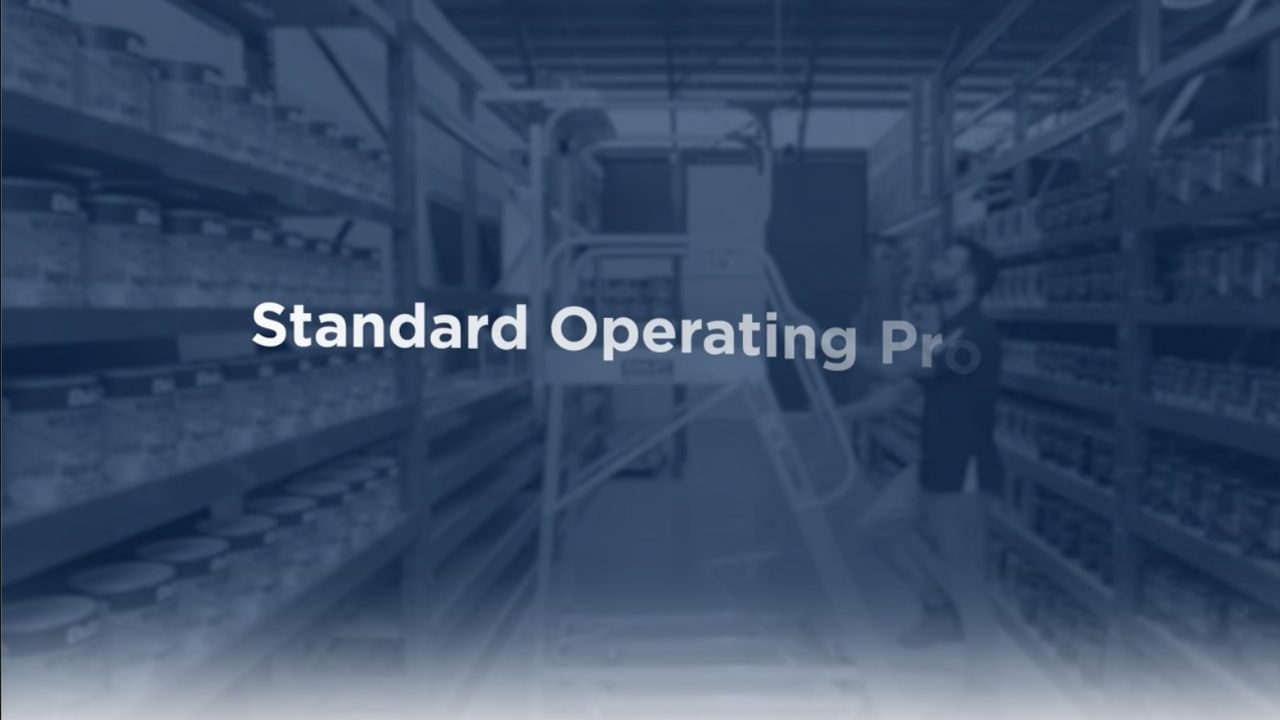
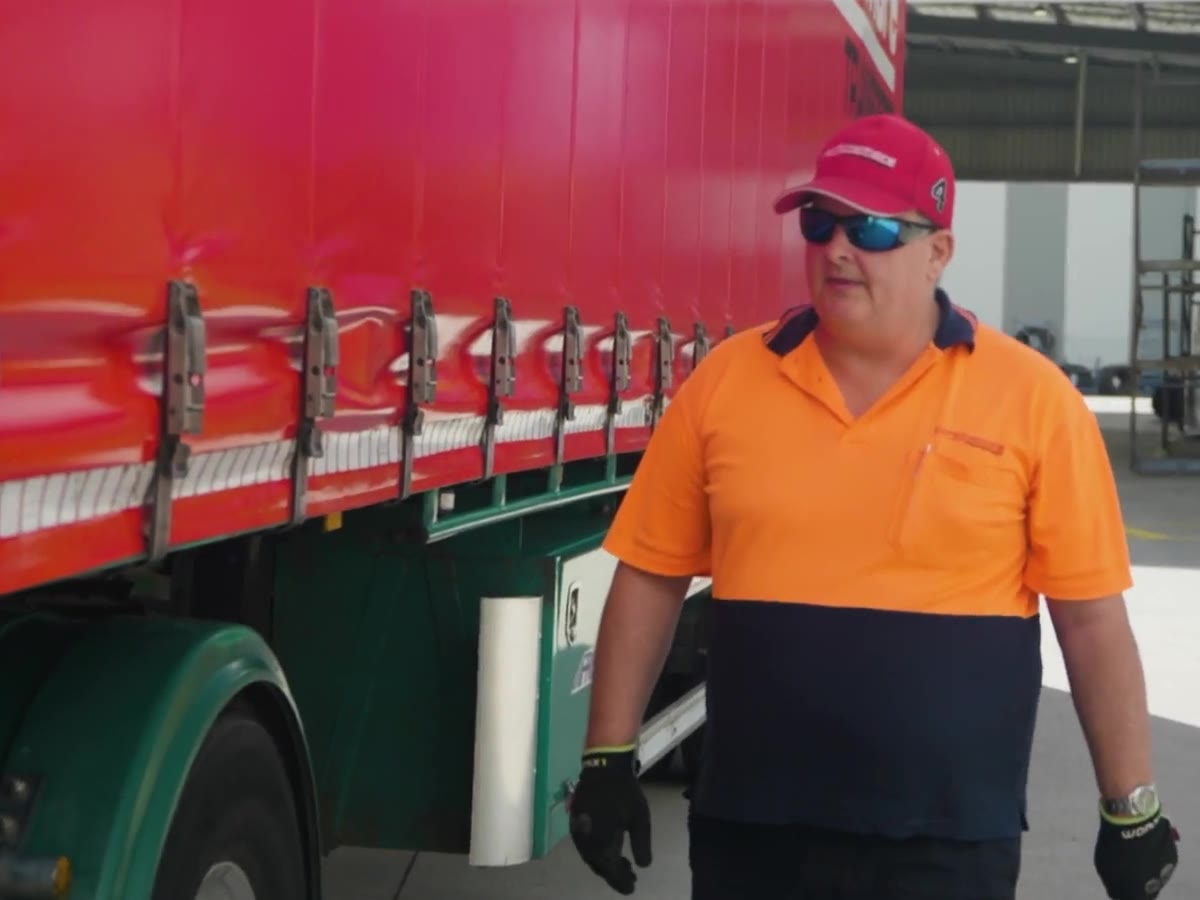
One task, one short video. The Dulux Group series starts with setting up a platform ladder in a store aisle.
The rules of the site, shown on the site: traffic flow, exclusion zones, PPE, emergency points. Watched before arrival or from a QR code at the gate. ECS Project Logistics uses one to induct new staff.
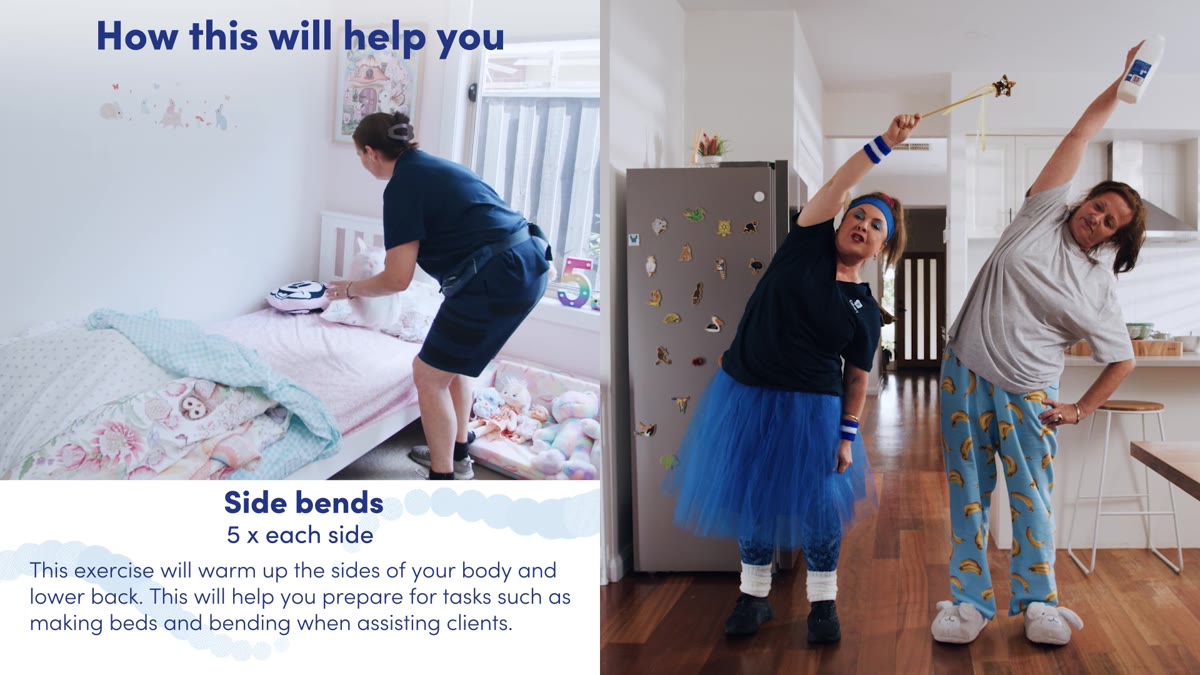
A series with a name and a character people remember. Calvary's Warm Up For Work teaches home care staff to prepare their bodies for the shift.
Lifting, hoists, plant and machinery, filmed close enough to see hands and feet. Calvary's floor hoist video takes carers through helping a resident up from the floor.
Short films for people who are not staff. Calvary uses one to explain visiting guidelines to the families of aged care residents.
What a rule change means in practice. We made one with drivers and operators for the National Transport Commission.
Dulux Group Safety SOPsStandard operating procedure series, starting with platform ladders in Bunnings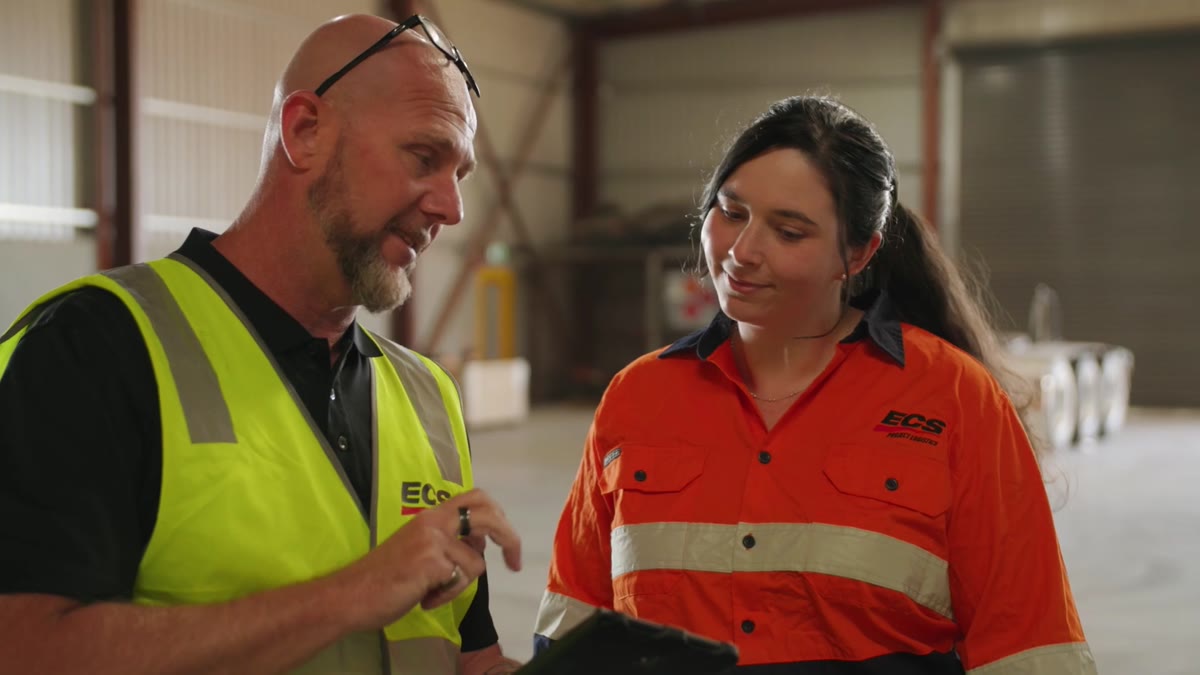 ECS Project Logistics InductionInduction video for new staff, introduced by the founder
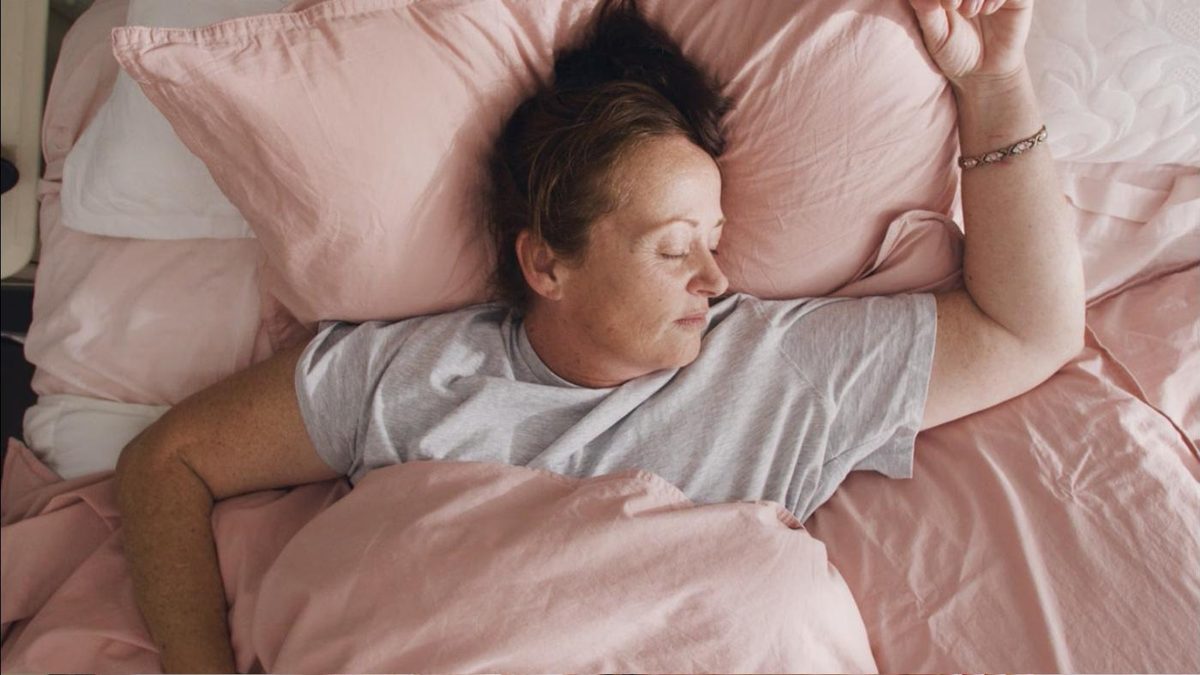 Calvary Safety CampaignWarm Up For Work series for home care staff
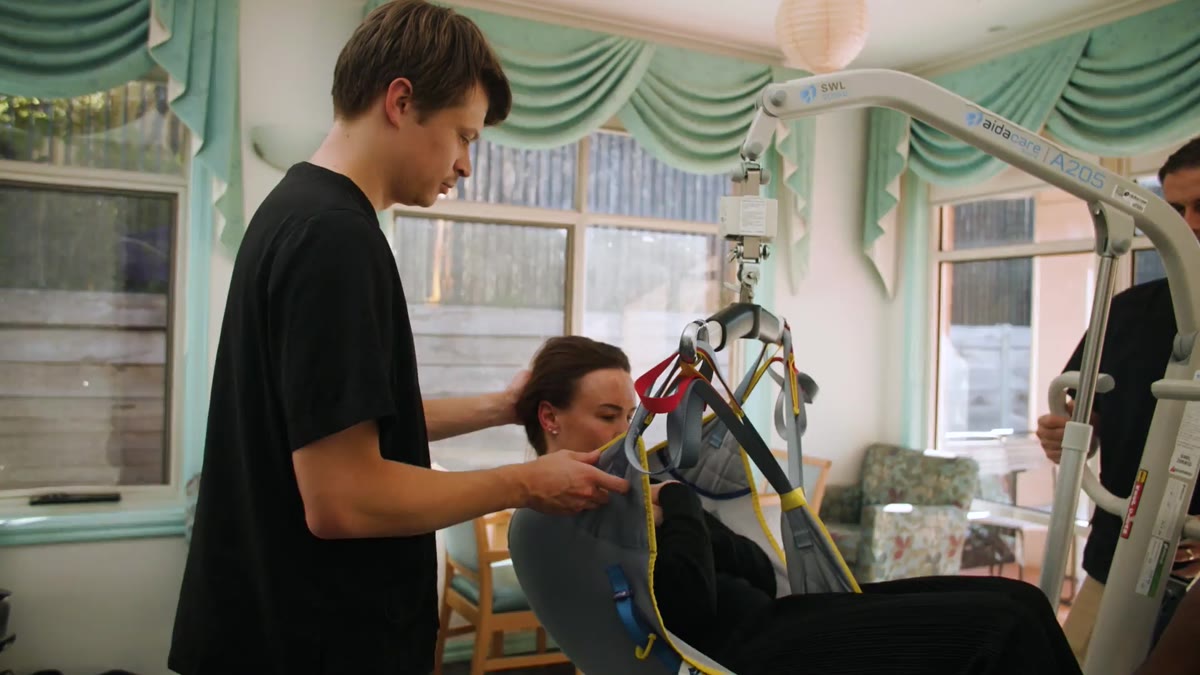 Calvary Manual Task Training: Floor HoistTraining video on assisting a resident from the floor using a floor hoist
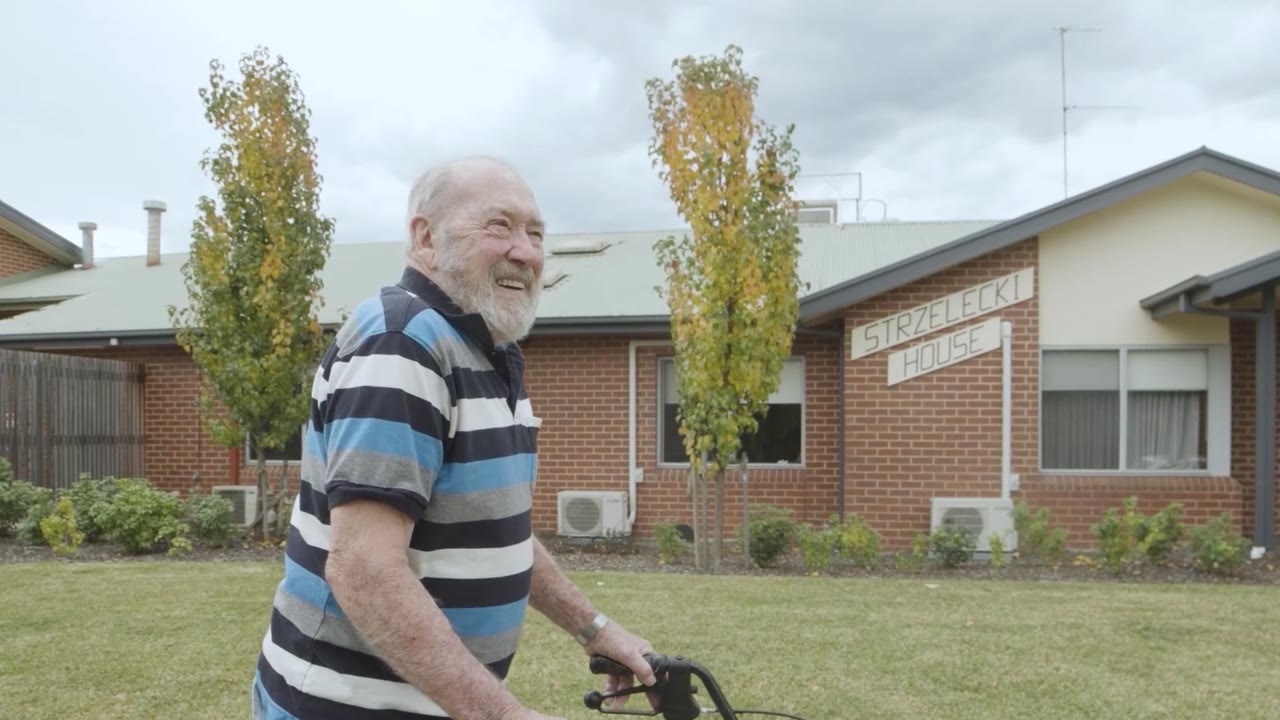 Calvary Visitor GuidelinesShort film explaining visiting guidelines for aged care homes
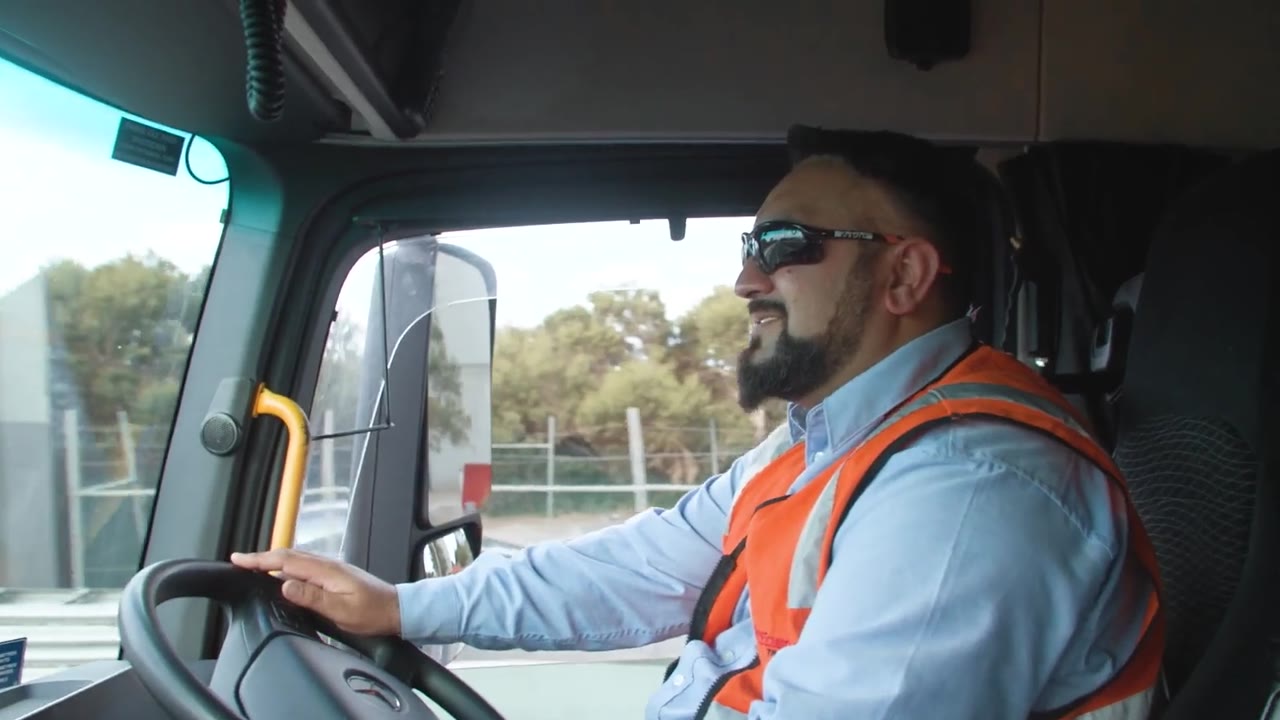 National Transport Commission: Heavy Vehicle National LawExplainer for the review of the Heavy Vehicle National Law
One task, one short video. The Dulux Group series starts with setting up a platform ladder in a store aisle.
One minute on why safety information stops sticking, and how video makes a procedure easier to understand, remember and follow.
Much of this work lives inside a client's learning system and is never published. These are three we can show.
Dulux Group
Standard operating procedure series, starting with platform ladders in Bunnings
Calvary Health Care
A short film for Calvary aged care homes explaining the visiting guidelines to families, with residents on camera saying what visits mean to them.
National Transport Commission
An explainer for the National Transport Commission on the review of the Heavy Vehicle National Law, filmed with real drivers and operators across depots, highways and cabs. Used to explain the changes and invite industry feedback during the consultation.
Five stages, typically about 12 weeks from signed contract to final files. Your safety or training lead reviews the script before we film and the cut before we finish.
A call or a visit to work out who the video is for, what it needs to do and where it will be shown.
Your part: Tell us the problem you are trying to solve.
We write the script or interview questions, choose who will be on camera with you, and speak with each person before the shoot day. Locations, schedule and site requirements are locked in before anyone films.
Your part: Approve the plan and help us line up people and places.
A small crew sets up quickly and works around the day you already have. We film the interviews and the work itself.
Your part: Have one contact on site for the day.
We cut the main film, add music, graphics and captions, and send it to you for feedback. Your changes are made, the film comes back for sign off, and the shorter social versions follow.
Your part: Collect feedback from your team in one go.
You receive final files in the formats each platform needs, with caption files, and LMS-ready versions for training video. We can also help you plan where each video goes and when.
Your part: Publish, and tell us how it goes.
Clearer than the written procedures it replaced, according to Dulux
Years behind the camera
Of videos delivered for Australian organisations
Rating from clients on Google
 Google review
Safety video works when the people watching recognise the place and the task. That is why we film on your sites, in your PPE, with your own operators showing how the job is done.
Our crew complete your induction before the shoot day and follow your traffic management and exclusion zone rules while filming, so making the safety video never becomes the unsafe part of the week.
Coupling a trailer, using a hoist and isolating plant are different lessons. Each industry page shows the sites we have filmed on.
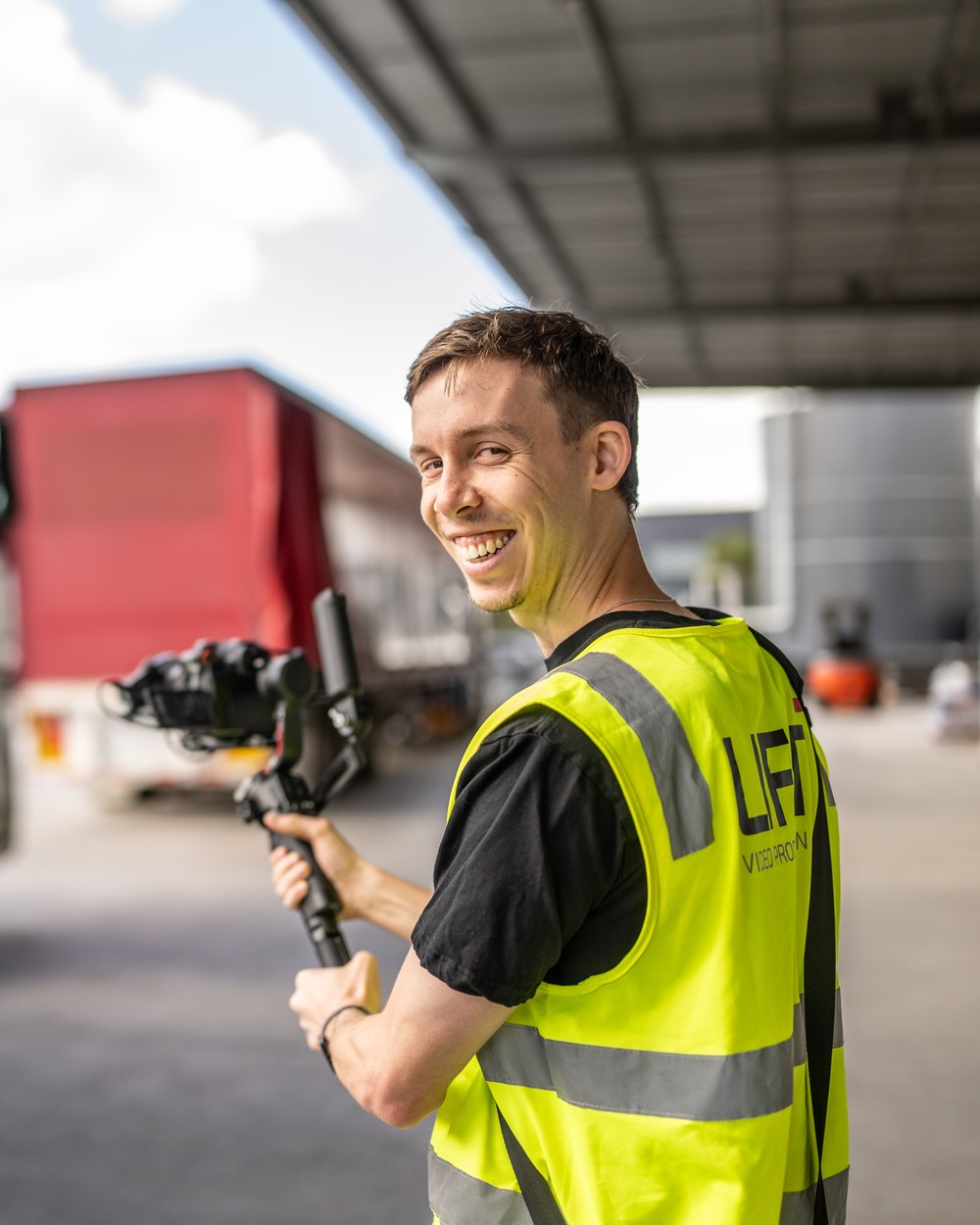
For fleet operators, 3PLs, truck makers and ports looking to recruit, communicate and win work.
Explore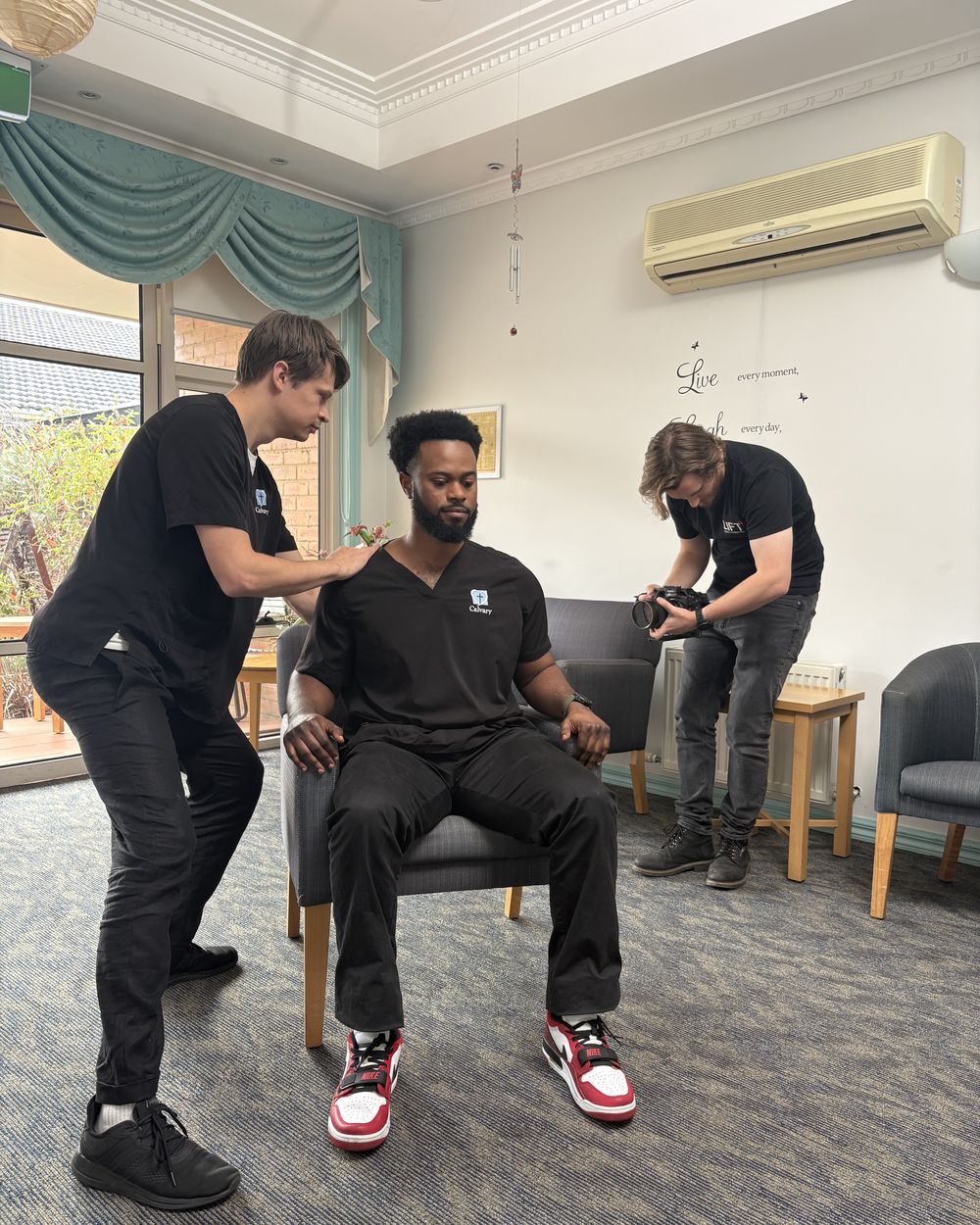
For hospitals, aged care providers and health organisations that need to educate, recruit and explain their services.
Explore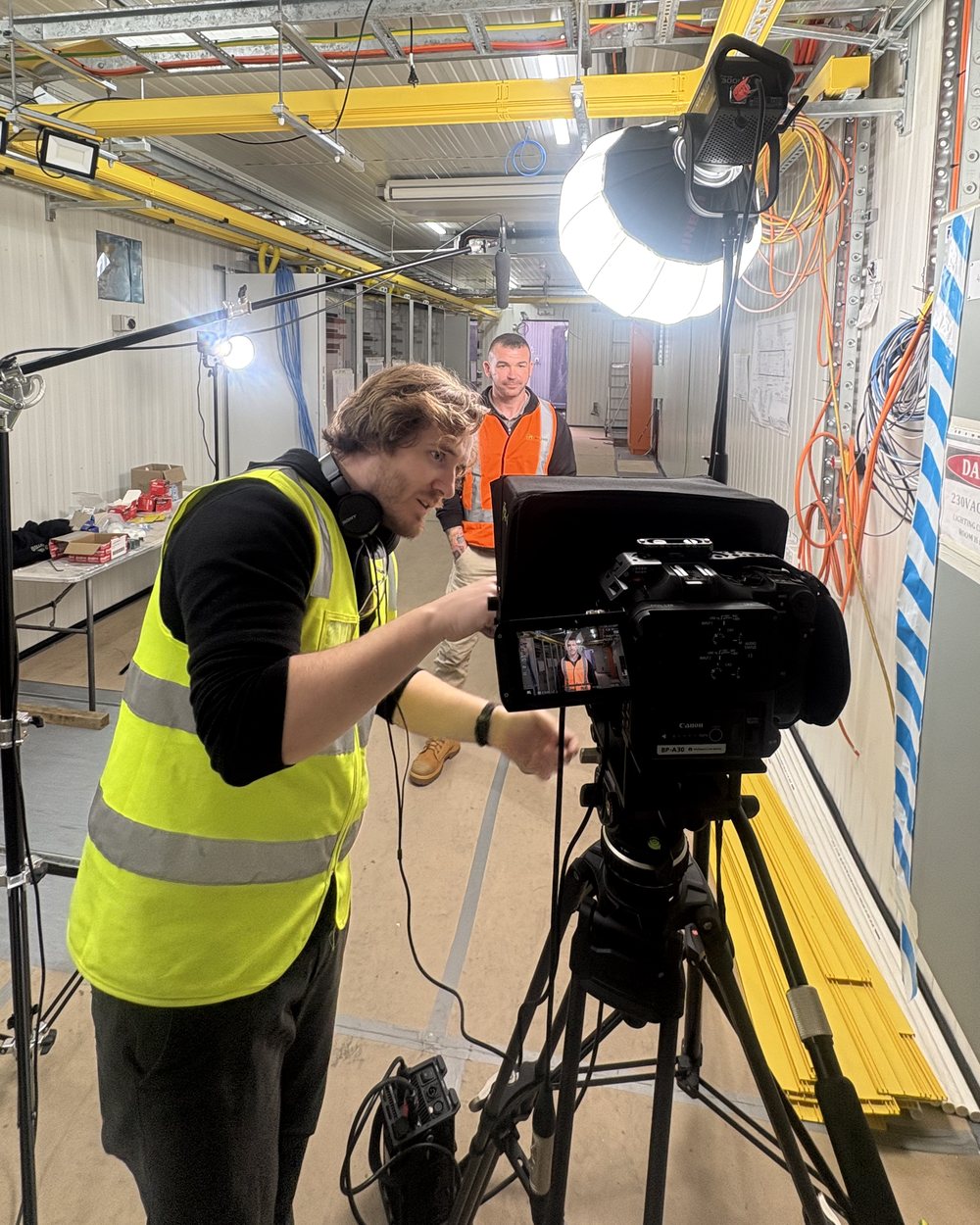
For manufacturers and engineering firms that need to show what they build and how they build it.
Explore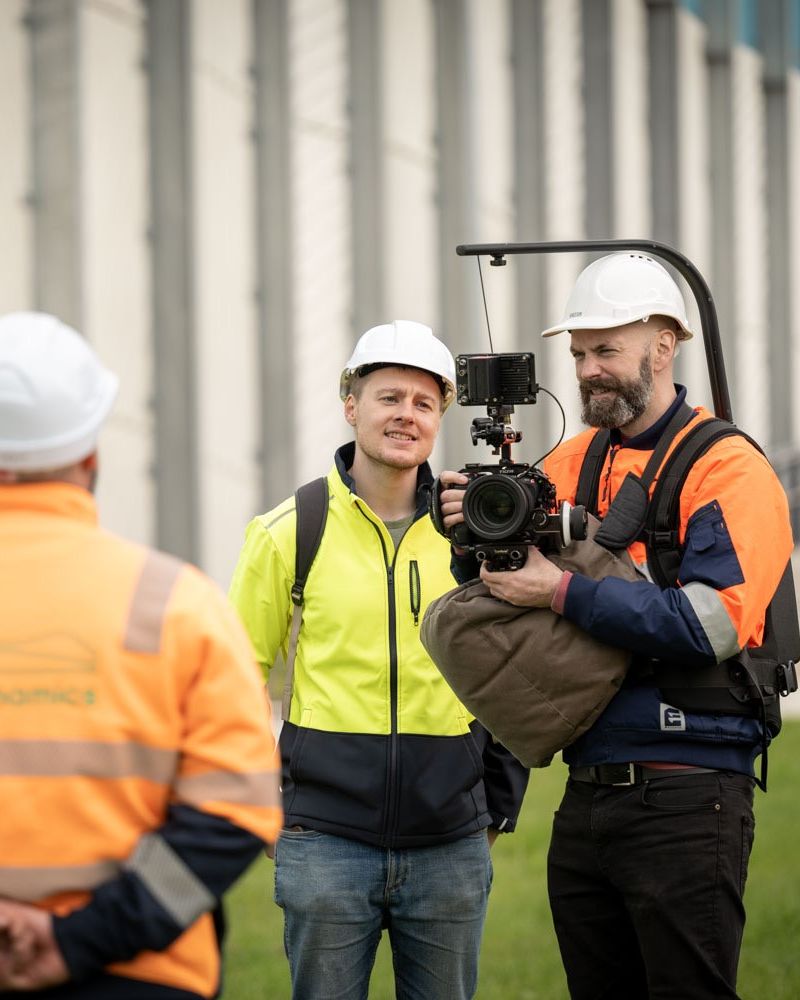
For builders, civil contractors and suppliers that need to show capability, win tenders and find trades.
Explore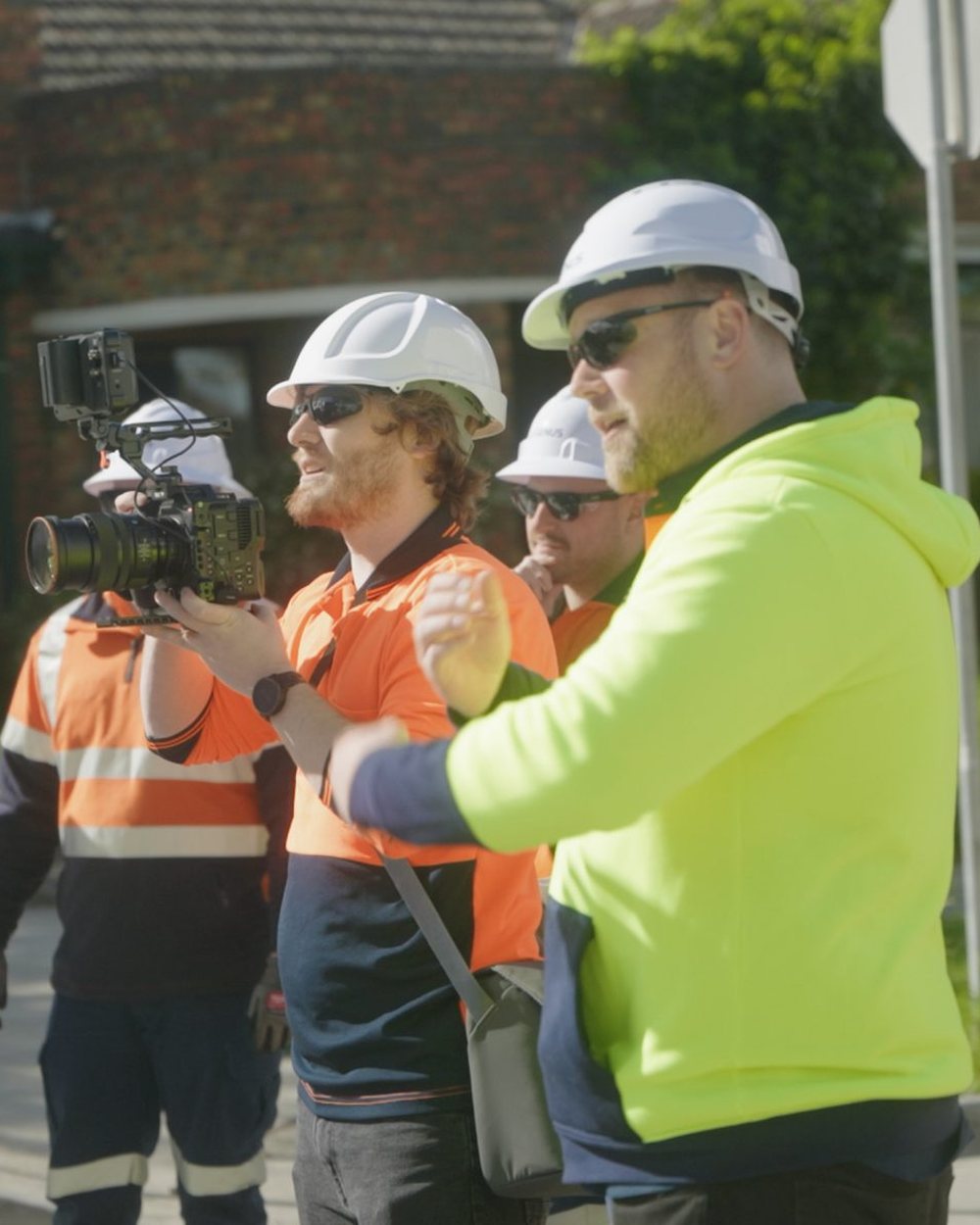
For network contractors, operators and project teams working on power, electrification and public infrastructure.
ExploreAn induction and a safety video together usually land between $17K and $20K. Larger procedure libraries are quoted once we know the number of topics and sites.
If your team is still relying on long PowerPoints, outdated training documents or videos people barely pay attention to, important safety information may not be sticking. And when people don't clearly understand the right process, that can lead to mistakes, equipment damage, injuries or serious incidents.
A good safety video makes critical procedures easier to understand, remember and follow. It can show employees exactly what good looks like, demonstrate the correct process on site, and make training more consistent across different teams and locations. It also becomes a reusable asset for inductions, refresher training, toolbox talks and ongoing compliance.
At Lift, we've created hundreds of videos across industries like transport, healthcare, engineering and construction, helping businesses communicate safety information more clearly and reduce the risk of costly mistakes and incidents.
If you want to make your safety training more engaging and easier for your team to follow, book a call with us today.
What people ask us before a safety and training project.
Scripting with your safety or training lead, filming on site, editing, graphics, captions and files for your learning system.
Two to six minutes per topic. Short modules get watched to the end and are simpler to update.
Yes. They review the script before we film and the cut before we finish, so the content matches your procedures.
Yes. Site and contractor inductions are one of the most common things we are asked for, often with a short quiz handled by your learning system.
Yes. Because the content is built in short modules, one topic can be filmed or edited again without redoing the rest.
Yes. We deliver MP4 files and SCORM packages, with caption files, so the videos load into most learning systems.
Yes. We are inducted and insured, and we are used to filming around forklifts, plant and live traffic without stopping anything.
An induction and a safety video together usually land between $17K and $20K.
An induction that takes too long, a task that keeps going wrong, or a procedure nobody reads. Send a few lines and we will come back with a plan and a quote.